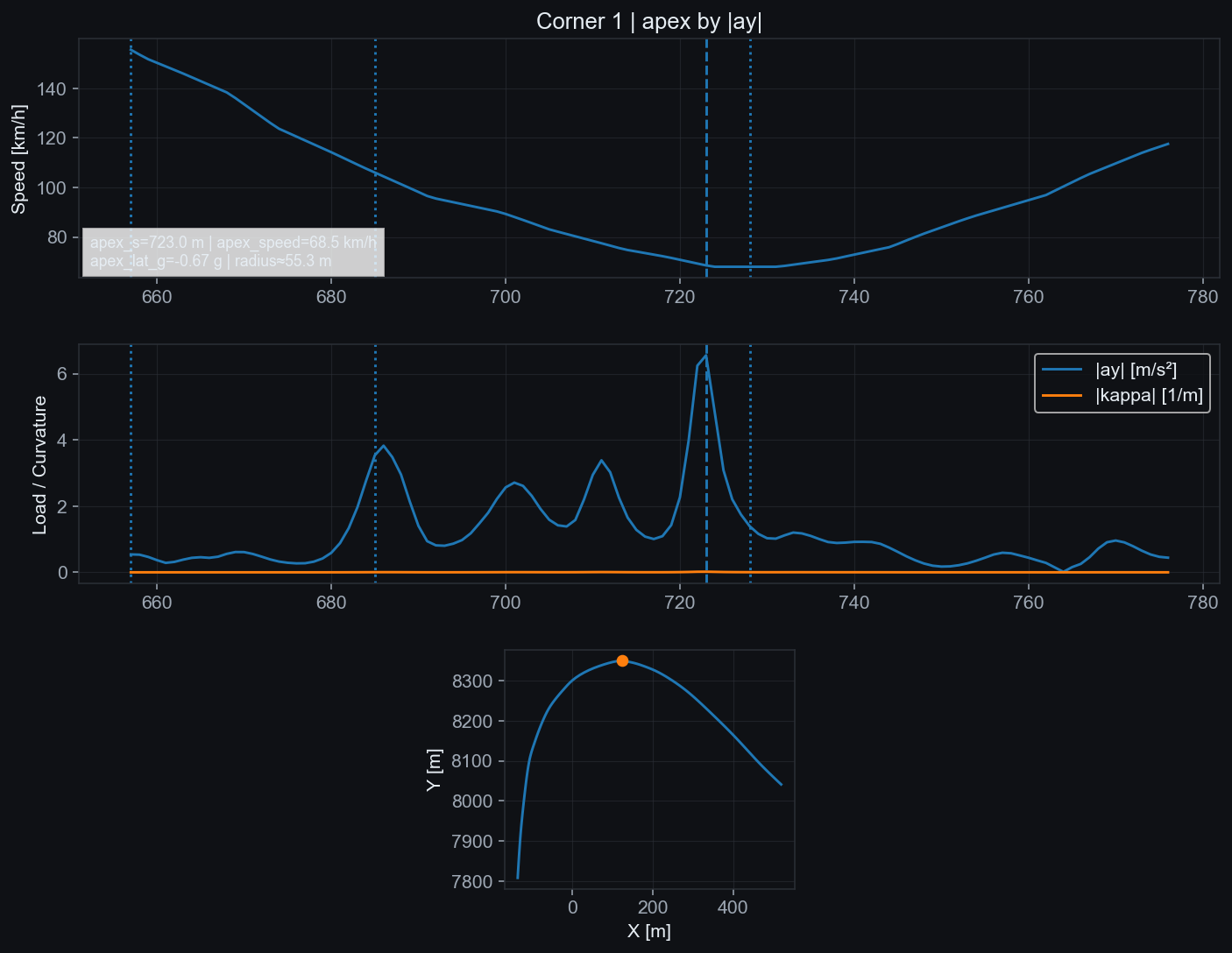
Problem
Telemetry and race data are high-volume, session-dependent, and difficult to use consistently without a clean data backbone. The goal was to move from ad-hoc analysis toward reusable storage, processing, and API access.
Project case study
A structured data backbone for processing, storing, and exposing Formula 1 telemetry, lap, weather, and session data for analysis, modelling, and dashboards.
Telemetry and race data are high-volume, session-dependent, and difficult to use consistently without a clean data backbone. The goal was to move from ad-hoc analysis toward reusable storage, processing, and API access.
Predictive modelling and dashboards need reliable underlying data systems. This project focuses on the engineering layer that makes later ML and analysis work easier to reproduce, extend, and integrate.
A simplified view of how the project moves from data and domain logic to usable outputs.
This project helped me move from analysis scripts toward reusable data infrastructure. It made it clear that good ML work depends heavily on clean, accessible, well-structured data.
Useful improvements would include API documentation, automated tests, Dockerized deployment, stronger validation checks, dashboards, and model-serving endpoints for predictions and strategy simulations.